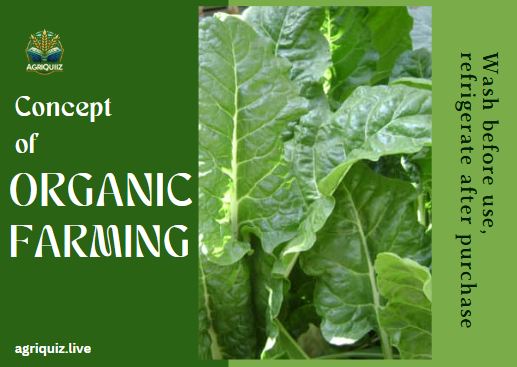
Organic Farming: A Sustainable Approach to Agriculture
Organic farming is a sustainable and eco-friendly agricultural practice that emphasizes the use of natural processes, biodiversity, and environmentally responsible techniques. Unlike conventional farming, which heavily relies on chemical fertilizers, synthetic pesticides, and genetically modified organisms (GMOs), organic farming promotes the health of the soil, ecosystems, and human beings. With the growing concerns about environmental degradation, climate change, and food safety, organic farming has gained significant attention worldwide as a means to produce healthier food while preserving natural resources.
What is Organic Farming?
Organic farming is an agricultural system that avoids the use of synthetic inputs such as chemical fertilizers, pesticides, herbicides, and genetically modified seeds. Instead, it relies on natural methods to enhance soil fertility, control pests, and maintain ecological balance. The primary goal of organic farming is to produce nutritious and chemical-free food while ensuring long-term sustainability.
Organic farming integrates traditional knowledge with modern scientific research to develop farming systems that work harmoniously with nature. It encourages crop diversity, enriches soil health through organic matter, and fosters biodiversity by creating a balanced agricultural ecosystem.
Key Principles of Organic Farming
Organic farming is based on four fundamental principles established by the International Federation of Organic Agriculture Movements (IFOAM):
Health-Oriented Agriculture: Organic farming aims to sustain and enhance the health of soil, plants, animals, and humans by avoiding toxic substances and artificial chemicals in food production.
Ecological Balance: It follows natural processes and ecosystems to promote sustainable and regenerative agricultural practices.
Soil Fertility and Care: Organic methods focus on maintaining and improving soil fertility through composting, green manure, and crop rotation.
Biodiversity and Sustainability: Organic farming fosters biodiversity, reduces pollution, and minimizes reliance on non-renewable resources.
Benefits of Organic Farming
1. Healthier and Safer Food
Organic produce is free from synthetic pesticides, fertilizers, and GMOs, making it a healthier option for consumers. Studies suggest that organic foods contain higher levels of essential nutrients, such as vitamins, antioxidants, and minerals, compared to conventionally grown foods. Additionally, organic dairy and meat products often contain higher levels of omega-3 fatty acids due to the natural diets of organically raised livestock.
2. Environmental Protection
Organic farming contributes to environmental conservation in several ways:
Soil Health: Organic practices, such as composting and crop rotation, improve soil structure, fertility, and microbial activity.
Water Conservation: Organic farming reduces water pollution by avoiding chemical runoff into rivers and groundwater.
Reduced Carbon Footprint: Organic farms rely on natural fertilizers and pest control methods, reducing greenhouse gas emissions associated with synthetic chemical production.
3. Enhanced Soil Fertility
Healthy soil is the foundation of organic farming. Unlike conventional agriculture, which depletes soil nutrients through excessive chemical use, organic farming enriches soil health by:
Adding organic matter through compost and green manure.
Encouraging natural microbial activity and earthworm populations.
Preventing soil erosion through cover cropping and reduced tillage.
4. Biodiversity Conservation
Organic farming fosters biodiversity by promoting the coexistence of diverse plant and animal species. It encourages the growth of pollinator-friendly plants, reduces habitat destruction, and avoids the use of harmful pesticides that can disrupt natural ecosystems. By maintaining biodiversity, organic farming helps prevent the spread of pests and diseases while supporting beneficial insects and wildlife.
5. Economic Benefits for Farmers
Although organic farming requires more labor-intensive practices, it offers several economic advantages:
Premium Pricing: Organic products often command higher market prices due to their perceived health and environmental benefits.
Reduced Input Costs: Farmers save money by using natural fertilizers, compost, and biological pest control methods instead of expensive chemical inputs.
Long-Term Sustainability: Organic farming enhances soil fertility and productivity over time, leading to sustainable agricultural practices and stable yields.
Organic Farming Techniques
Organic farming employs various techniques to ensure sustainable and chemical-free food production. Some of the most effective methods include:
1. Crop Rotation
Crop rotation involves planting different crops in succession on the same land to maintain soil fertility and prevent pests and diseases. This method improves nutrient cycling, reduces soil erosion, and enhances crop yields naturally.
2. Green Manure and Cover Crops
Green manure refers to the practice of growing specific plants (such as legumes and clover) and incorporating them into the soil to improve its organic matter content. Cover crops, such as rye and alfalfa, prevent soil erosion, suppress weeds, and increase soil moisture retention.
3. Composting and Organic Fertilizers
Composting involves decomposing organic matter, such as food scraps, animal manure, and plant residues, to create nutrient-rich fertilizer. This enhances soil fertility and microbial activity, providing essential nutrients for plant growth.
4. Biological Pest Control
Instead of using synthetic pesticides, organic farmers rely on biological pest control methods, such as:
Introducing beneficial insects (e.g., ladybugs, predatory beetles) that feed on harmful pests.
Using natural plant extracts, neem oil, and microbial solutions to deter pests.
Encouraging birds, bats, and other natural predators that help control pest populations.
5. Agroforestry and Polyculture
Agroforestry combines agriculture with forestry by planting trees alongside crops. This method enhances biodiversity, conserves water, and reduces soil erosion. Polyculture, or intercropping, involves growing multiple crops together to mimic natural ecosystems, reducing the need for chemical inputs and increasing productivity.
Challenges of Organic Farming
While organic farming offers numerous benefits, it also comes with challenges that farmers must address:
1. Higher Production Costs
Organic farming requires more labor-intensive practices, such as manual weeding, composting, and natural pest control, which can increase operational costs.
2. Lower Yields Compared to Conventional Farming
Without synthetic fertilizers and pesticides, organic farms may produce lower yields, especially in the early transition years. However, soil health and productivity improve over time, leading to stable yields in the long run.
3. Market Accessibility and Certification
Farmers need proper organic certification to sell their products as “organic,” which can be a costly and time-consuming process. Additionally, organic products require specialized marketing and distribution channels to reach consumers effectively.
4. Pest and Disease Management
Managing pests and diseases without synthetic chemicals requires knowledge and planning. Farmers must rely on integrated pest management (IPM) techniques, crop diversity, and biological control methods to keep pests at bay.
Conclusion
Organic farming is a holistic and sustainable approach to agriculture that prioritizes soil health, biodiversity, and ecological balance. While it presents challenges such as higher production costs and pest management, its benefits in terms of human health, environmental conservation, and economic stability make it a promising alternative to conventional farming. As awareness of food safety and sustainability grows, organic farming will continue to play a crucial role in shaping the future of agriculture.